How Much THC Is In Delta 9
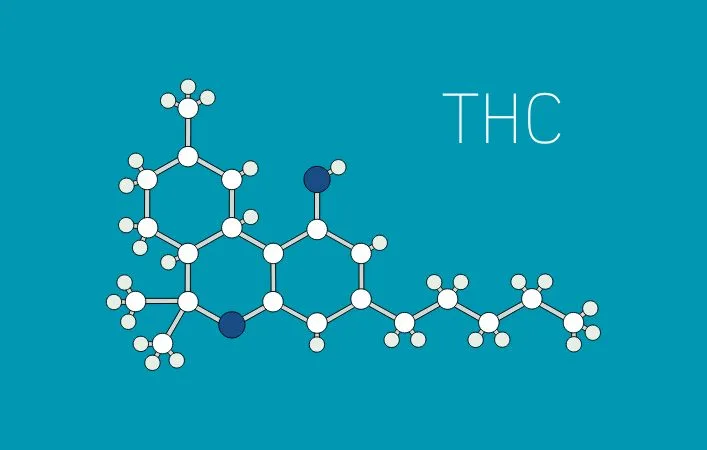
Delta 9 THC, commonly known simply as THC, is the main compound in cannabis responsible for its psychoactive effects. When people ask, “How much THC is in Delta 9?”, it’s important to understand that Delta 9 is actually the specific form of THC being referenced. It’s the key cannabinoid behind the “high” people typically associate with marijuana. In this piece, we’ll explore what Delta 9 does in the cannabis plant and what its usual levels look like.
What Is Delta 9 THC?
Delta 9 THC is one of the many chemical compounds, known as cannabinoids, that are found in the cannabis plant. Among the more than 100 cannabinoids that exist, Delta 9 is the most widely recognized because of its strong psychoactive properties. When cannabis is consumed, Delta 9 interacts with receptors in the brain, creating the well-known effects like euphoria, sensory shifts, and a heightened appetite. This compound is naturally present in both marijuana and hemp plants, though the amount varies depending on the type of cannabis.
How Much THC Is Present in Delta 9?
Asking how much THC is in Delta 9 is a bit of a circular question, since Delta 9 THC is essentially the standard and most well-known form of THC itself. In other words, Delta 9 is THC in its most recognized form. But if the question is about how much Delta 9 is typically found in cannabis products, the answer depends on the form and source of the product.
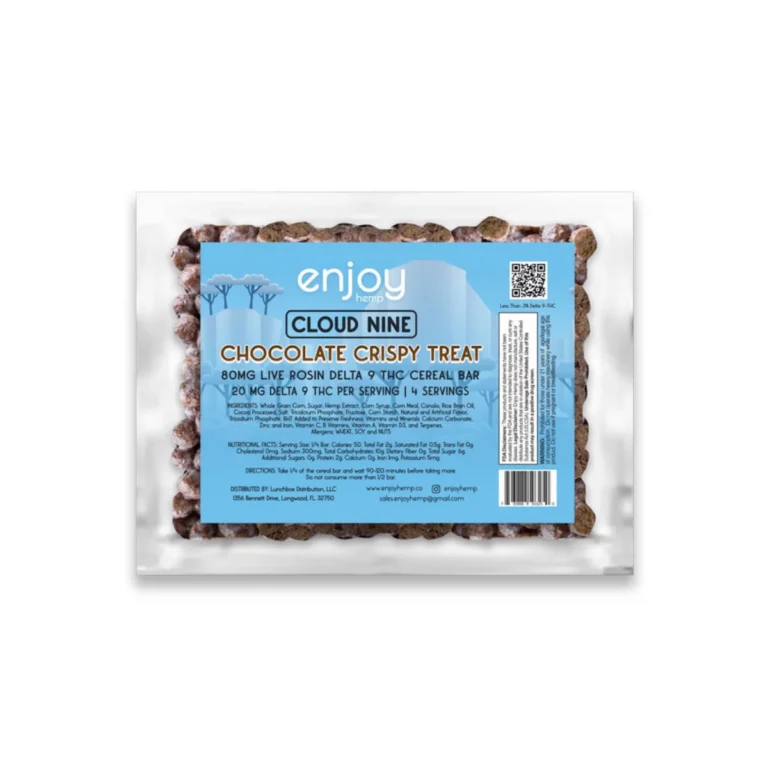
When it comes to cannabis flower, the Delta 9 THC concentration can vary widely, often falling anywhere between 10% and 30% depending on the strain and how it was grown. In the case of other product types like edibles, tinctures, or concentrates, the amount of Delta 9 is usually measured in milligrams instead of percentages. These products often contain anywhere from 5mg to 100mg of Delta 9 THC per serving, depending on the intended potency and use.
Delta 9 THC in Hemp vs. Marijuana
Delta 9 THC occurs naturally in both hemp and marijuana plants, but the key difference lies in how much of it is present and how that amount is regulated. Hemp is legally defined as having less than 0.3% Delta 9 THC by dry weight, which allows it to be used in the production of legal THC products across many regions. Marijuana, however, often contains much higher concentrations—sometimes over 30%—which leads to tighter restrictions, especially in areas where cannabis remains illegal.
The Effects of Delta 9 THC
The effects of Delta 9 THC vary widely depending on the dosage. A small amount, such as 5 to 10 milligrams, might produce light euphoria, a sense of calm, or gentle mood enhancement. In contrast, much higher doses—50 milligrams or more—can trigger more pronounced psychoactive reactions, including altered perception, reduced motor coordination, or, for some, feelings of anxiety or paranoia.
Understanding the Role of Delta 9 THC
Delta 9 is simply another name for THC, the compound mainly responsible for the “high” people associate with cannabis. The strength of its effects depends on how much is consumed, the type of cannabis used, and the method of consumption. Whether it’s inhaled from flower or consumed in an edible form, being aware of the Delta 9 THC content is essential to understanding its impact and using it responsibly.