How To Make THC-Oil
THC oil has gained widespread popularity as cannabis enthusiasts seek alternative consumption methods. Unlike traditional smoking, THC oil offers a discreet and convenient experience, commonly enjoyed in vaporizers, tinctures, and edibles. This rise in demand has led many to explore making THC oil at home, a process that requires careful knowledge, precision, and patience to ensure a safe, potent, and effective final product.
Understanding THC Oil
THC, or tetrahydrocannabinol, is the psychoactive component of cannabis responsible for its signature effects. THC oil is a concentrated extract of this compound, typically blended with a carrier oil, such as coconut or olive oil, to create a versatile product for various uses. The goal in making THC oil is to extract the cannabinoids from the plant material, yielding a concentrated form suited for multiple applications.
When making THC oil, there are two main extraction methods to consider: solvent-based and solventless. Each has its unique benefits, though solvent-based extraction is generally more accessible and efficient for at-home production.
Solvent-Based Extraction: The Essentials of THC Oil
Solvent-based extraction is widely used for producing THC oil due to its effectiveness in breaking down plant material and extracting cannabinoids. This method typically involves alcohol, such as ethanol, or hydrocarbon solvents like butane or propane. While hydrocarbons can produce highly potent oils, they require extra care as these solvents are flammable and demand proper ventilation and strict safety protocols.
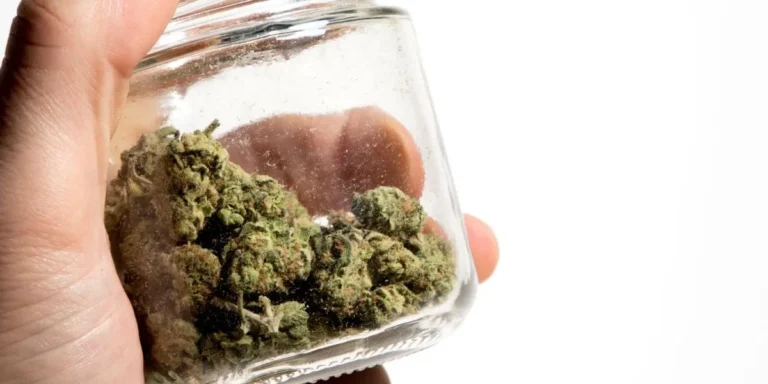
During the process, the solvent is combined with cannabis to dissolve THC along with other valuable cannabinoids and terpenes.
Purification and Solvent Removal
Once the solution has been prepared, it undergoes filtration to eliminate any unwanted plant material, leaving behind a concentrated, cannabinoid-rich liquid. The next phase is purging the solvent from the mixture, which is typically achieved with heat and vacuum pressure to ensure no residual solvents remain. This step is crucial for producing a clean and safe THC oil.
Carrier Oils: Key Ingredients in THC Oil
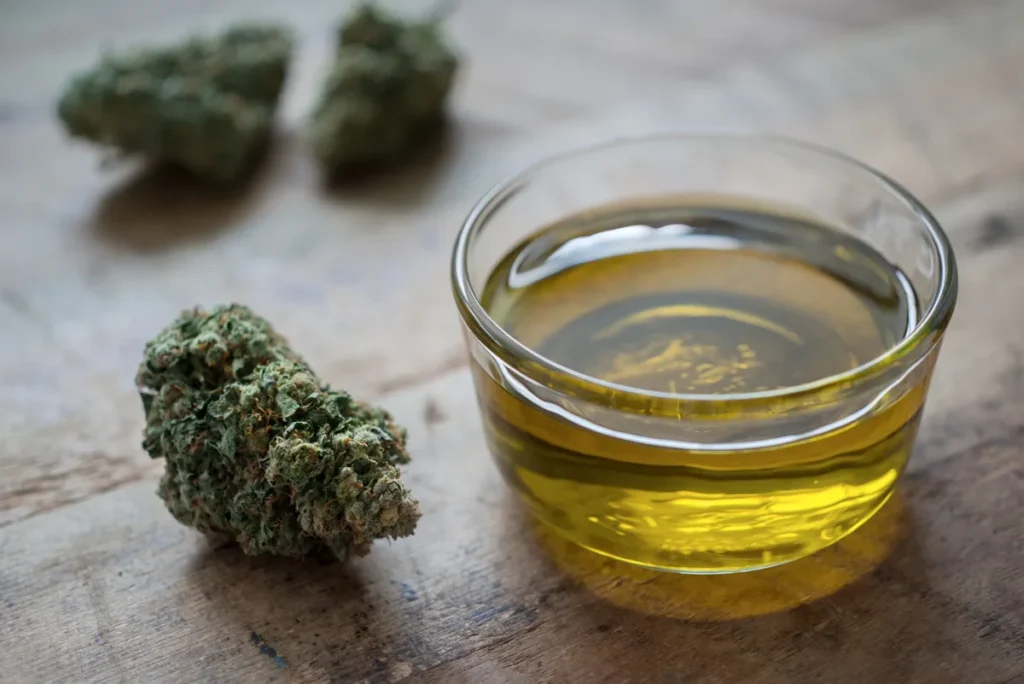
After purging, it’s time to add a carrier oil, a crucial component that affects the final product’s flavor, consistency, and absorption. Coconut oil is a popular choice due to its high-fat content, which binds effectively with THC for enhanced absorption in the body. Olive oil offers a more neutral taste and is easy to work with as well.
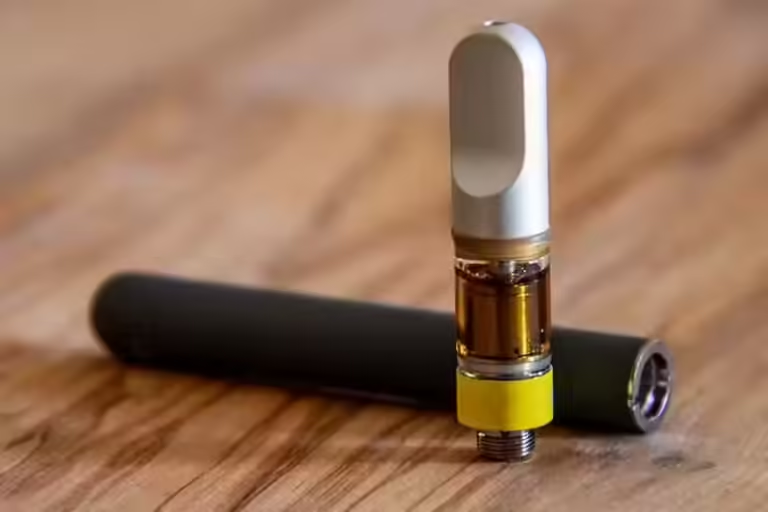
The THC concentrate is blended with the chosen carrier oil, often with gentle heating to ensure complete incorporation. Once thoroughly mixed, the THC oil is ready for various uses, including tinctures, edibles, or vaping preparations.
Safety Tips in THC Oil Production
Safety is paramount when making THC oil, especially when using flammable solvents like ethanol or butane. Work in a well-ventilated area away from any ignition sources, and only use food-grade solvents to ensure product safety. Temperature control during extraction and purging is essential to preserve cannabinoids and terpenes; overheating can degrade these compounds, impacting the oil’s flavor and potency.
When using cannabis from home or a dispensary, make sure it is pesticide-free and properly cured. Contaminants or improperly treated cannabis can introduce harmful chemicals into your oil, affecting safety and efficacy.
Potency and Storage
Once your THC oil is ready, determine its potency before use. Homemade THC oil can vary in strength, so start with small doses, especially in edibles or tinctures, and increase gradually to find a comfortable level. For best results, store the oil in a cool, dark place in an airtight container to preserve its potency and freshness over time.
Final Thoughts
Making THC oil at home can be a rewarding way to control the quality and characteristics of your product. Whether for edibles, vaping, or topicals, DIY THC oil allows you to tailor it to your preferences. By following a safe extraction process and choosing quality ingredients, you can create an effective product that suits your needs. As the demand for cannabis knowledge grows, learning to make THC oil can enrich your cannabis experience and open the door to more experimentation and innovation in this evolving field.