What Is THC
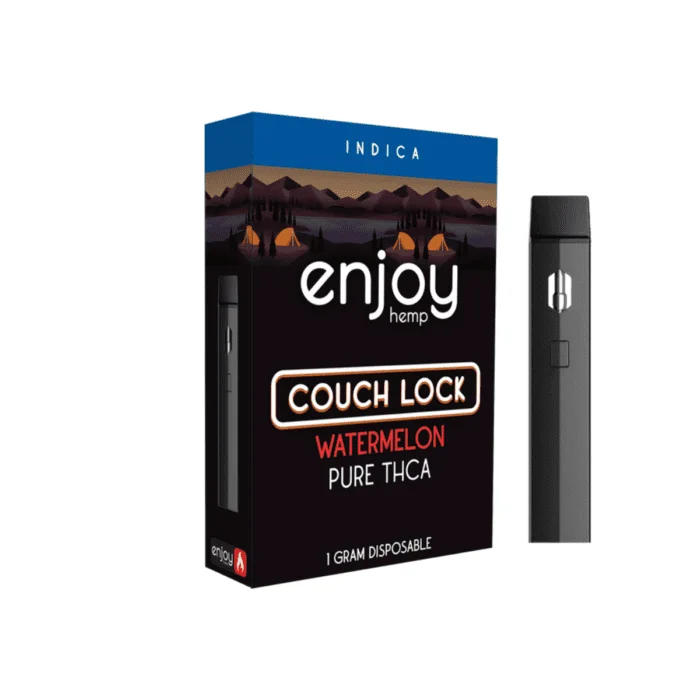
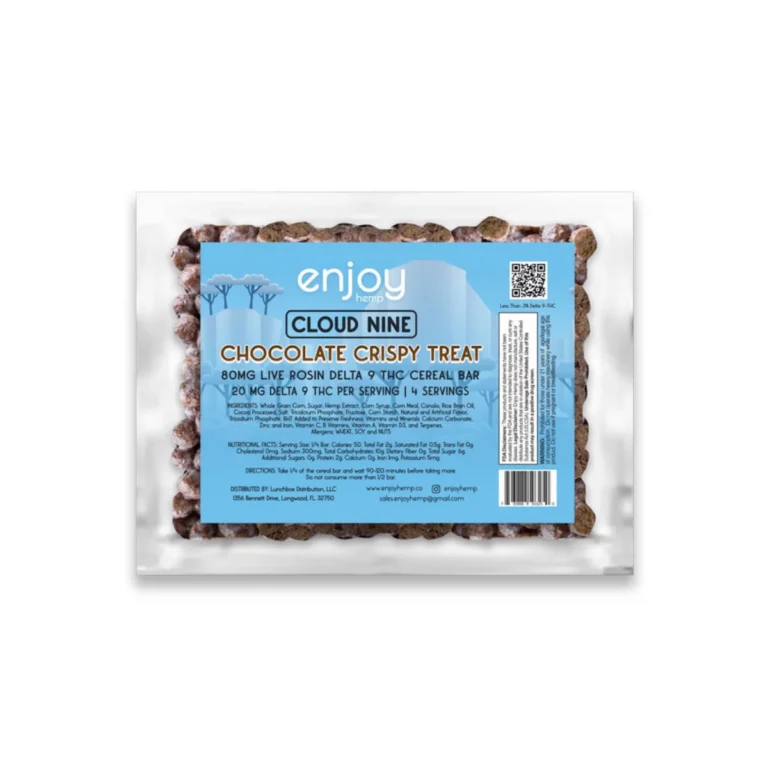
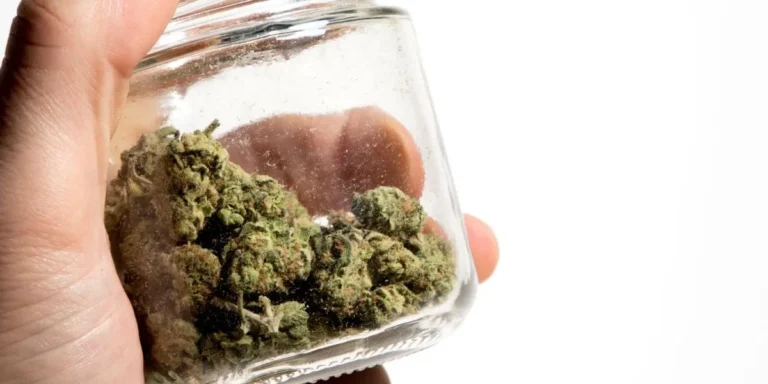
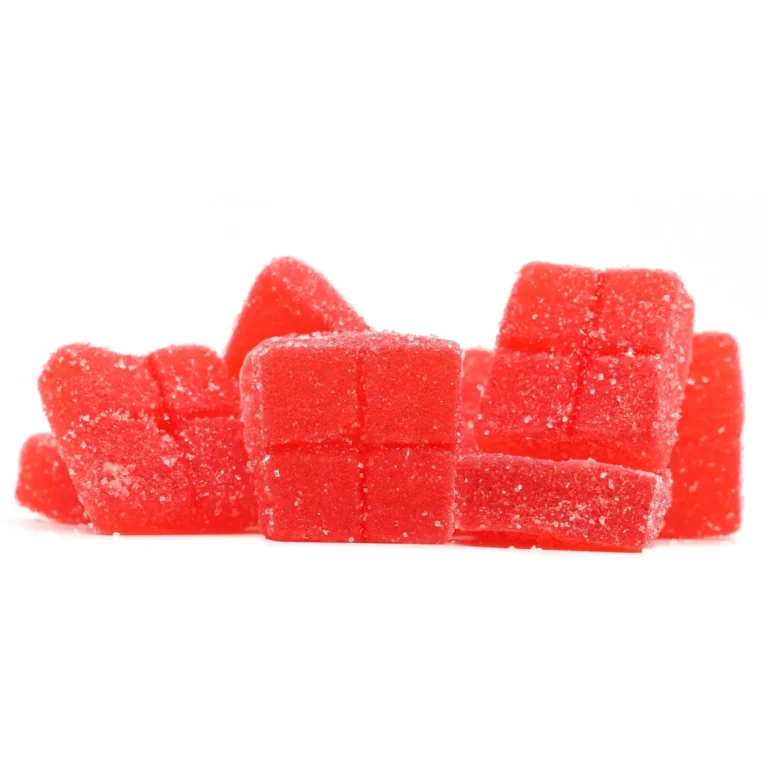
Tetrahydrocannabinol, or THC, is a well-known compound in the cannabis plant celebrated for its psychoactive effects. As the key ingredient behind the “high” often linked to marijuana, THC has significantly influenced the cannabis landscape, impacting everything from recreational products to medical therapies. It is available in various formats, including edibles, vapes, oils, and concentrates.
THC belongs to a group of compounds known as cannabinoids, which engage with the body’s endocannabinoid system (ECS). This intricate signaling network is essential for regulating numerous physiological functions, including mood, appetite, pain perception, and memory. When THC binds to cannabinoid receptors, mainly the CB1 receptors in the brain, it produces a spectrum of effects, from feelings of euphoria to altered sensory experiences. The distinctive interaction of THC with these receptors is what gives rise to its intoxicating effects, setting it apart from other cannabinoids such as CBD (cannabidiol).
In the 1960s, Israeli chemist Dr. Raphael Mechoulam made a groundbreaking discovery by isolating THC. This paved the way for extensive research into its chemical composition, physiological impact, and possible medical applications.
As cannabis research has expanded, so has our knowledge of THC’s role, from its recreational use to its therapeutic potential.
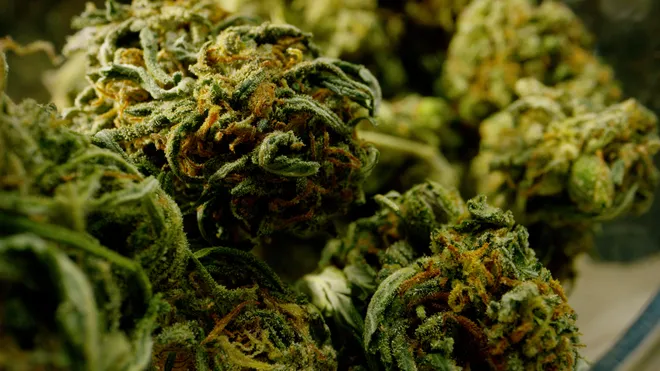
THC stands out from other cannabinoids primarily due to its psychoactive effects. When consumed, it can trigger a range of mental and physical responses, including heightened sensory perception, relaxation, and mood alterations. Some users might experience a burst of creativity or a shift in perspective, while others could face short-term memory issues or anxiety, depending on factors like dosage and individual biology. Managing these effects relies on carefully adjusting the dose, method of consumption, and tolerance levels, making it important for users to start with small amounts and observe their reactions.
Beyond recreational use, THC has made a significant impact in the medical cannabis field. Patients dealing with chronic pain, nausea, and appetite loss—common in conditions like cancer, AIDS, and multiple sclerosis—often turn to THC-rich products for relief. Its pain-relieving properties are well-established, making it a frequent component in medical cannabis prescriptions. Moreover, THC has been found helpful in treating insomnia and post-traumatic stress disorder (PTSD), where its psychoactive effects can alleviate both mental and physical discomfort.
The legal status of THC varies significantly around the world. While some regions allow THC-rich cannabis for both recreational and medical use, others still maintain strict prohibitions. However, with expanding legalization, particularly in North America, the market for THC products has grown rapidly, sparking innovations in product forms and consumption methods. From traditional smoking to advanced vaping and a wide range of edibles, consumers now have multiple options, each offering different experiences in terms of onset and intensity.
Research on THC continues to advance, holding promise for future discoveries. While debates persist about its long-term effects on mental health—especially in younger individuals or those predisposed to mental health conditions—there is broad support for its therapeutic potential when used responsibly. Emerging studies are also exploring how THC interacts with other cannabinoids like CBD, aiming to enhance health benefits while minimizing side effects such as paranoia or anxiety.
As one of the most notable compounds in cannabis, THC plays a pivotal role in both recreational enjoyment and medical treatment. By interacting with the body’s endocannabinoid system, THC presents opportunities for addressing various physical and mental health conditions. With ongoing legalization and deeper research, our understanding of THC’s full potential will likely grow, shaping the future of cannabis products. Whether seeking relaxation or relief, THC remains a key player in the evolving cannabis experience.