Delta 9 Hangover
Delta-9-tetrahydrocannabinol, often referred to as Delta 9 THC, is the main psychoactive component in cannabis. It is well-known for its euphoric effects, providing a high that can vary from invigorating and energizing to profoundly relaxing and introspective. However, just as with other substances, the effects of cannabis can have their downsides, including what is increasingly recognized as a Delta 9 hangover.
A Delta 9 hangover shares some similarities with the more familiar alcohol hangover but also has its own unique characteristics. Unlike an alcohol hangover, which typically involves severe dehydration, headaches, nausea, and heightened sensitivity to light and sound, a Delta 9 hangover generally presents with milder symptoms specifically related to THC’s impact on the body and mind.

One of the main symptoms reported with a Delta 9 hangover is a persistent sense of fatigue or grogginess. Users often wake up feeling unusually tired, despite having had a full night’s sleep. This lingering exhaustion can be attributed to the sedative effects of Delta 9 THC, which, depending on the strain and dosage, can disrupt sleep cycles and diminish sleep quality. While cannabis is commonly used to aid sleep, the residual effects of Delta 9 can sometimes result in unrefreshing rest, causing a sluggish start to the day.
Mental fog is another frequent symptom of a Delta 9 hangover. This cognitive haze can make focusing or thinking clearly challenging, impacting productivity and making simple tasks feel more difficult. This effect is likely due to THC’s interaction with the brain’s neurotransmitter systems, which may take time to return to their normal state after the psychoactive effects have faded.
Additionally, users may experience mild headaches or a sensation of dehydration. Although these symptoms are not as intense as an alcohol hangover, they can still be uncomfortable. The dehydration often results from the “cottonmouth” effect of cannabis, where THC decreases saliva production, leading to a dry mouth and throat. Staying well-hydrated before, during, and after cannabis use can help alleviate this particular issue.
Mood swings can be another aspect of a Delta 9 hangover. Some people report feeling irritable or slightly down after a night of heavy cannabis use. These mood shifts are believed to be related to the depletion of neurotransmitters such as dopamine and serotonin, which are crucial for mood regulation and emotional well-being. The body needs time to restore these chemicals, which can lead to temporary mood drops.
Additionally, the method of consumption plays a role in the hangover experience. Smoking or vaping cannabis often results in a quicker onset and shorter duration of effects, while edibles can lead to longer-lasting effects that may extend into the following day.
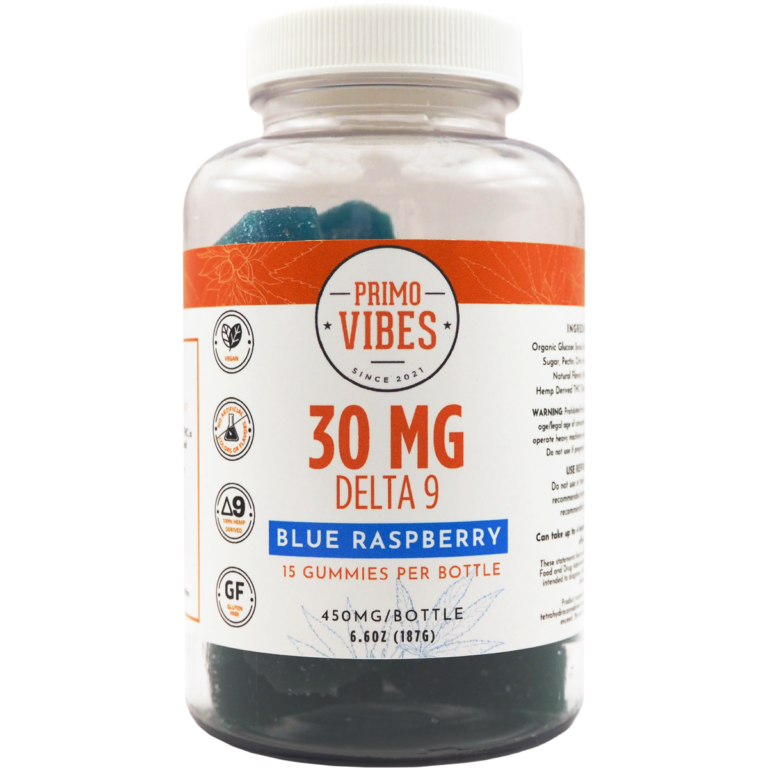
When THC is consumed in edible form, it is metabolized by the liver into 11-hydroxy-THC, a metabolite that is more potent and has longer-lasting effects than Delta 9 THC itself. This can lead to a more intense hangover experience.
To minimize the risk of a Delta 9 hangover, several strategies can be helpful. Moderation is crucial; knowing your tolerance and staying within personal limits can reduce the chances of unpleasant aftereffects. Staying hydrated, eating a balanced diet, and engaging in regular exercise can also alleviate hangover symptoms. Additionally, selecting strains with a balanced cannabinoid profile, such as those with higher CBD content, might help counterbalance some of the more intense effects of Delta 9 THC.
If you find yourself dealing with a Delta 9 hangover, there are a few remedies that can offer relief. Hydration is essential to flush out residual THC metabolites and combat dehydration. A nutritious breakfast can provide your body with the nutrients needed to recover. Light physical activity, such as walking or gentle yoga, can improve circulation and help clear THC from your system. Most importantly, allowing yourself time to rest and recover is vital, as pushing through without adequate rest can extend the hangover’s duration.
Delta 9 hangovers can affect users in various ways, including physical fatigue, mental fog, and mood swings. By understanding these potential aftereffects and taking preventive steps, users can enjoy the benefits of cannabis while reducing unwanted side effects. As always, mindfulness and moderation are key to a positive and balanced experience with cannabis.