What Is 11 Hydroxy Delta 9 THC
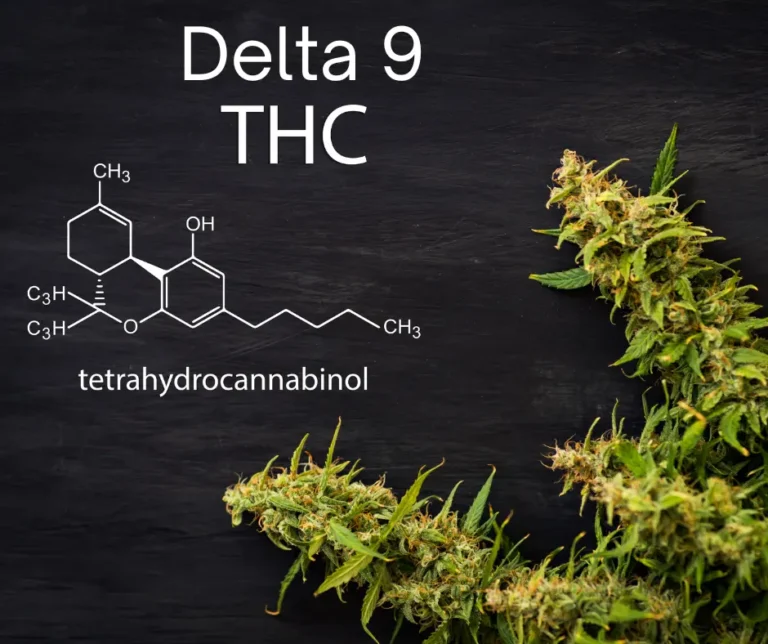
11-Hydroxy-Delta-9-THC, commonly known as 11-hydroxy-THC, is a metabolite of Delta-9-THC, the main psychoactive component in cannabis. While Delta-9-THC enters the bloodstream directly when inhaled, 11-hydroxy-THC forms in the liver after Delta-9-THC is ingested. This metabolic shift often amplifies the effects, making them stronger and more prolonged, which is why cannabis edibles generally produce a more intense and long-lasting experience compared to inhalation.
When THC is consumed orally, the liver plays a critical role in its conversion to 11-hydroxy-THC. THC travels through the digestive tract, where it’s absorbed by the intestines and then directed to the liver. There, cytochrome P450 enzymes transform Delta-9-THC into 11-hydroxy-THC, which is released into the bloodstream and transported to the brain. This metabolite binds to cannabinoid receptors, leading to pronounced psychoactive effects.
11-hydroxy-THC typically delivers a more potent experience than inhaled THC. While inhaling THC produces effects within minutes and lasts 2–3 hours, 11-hydroxy-THC takes 30 minutes to 2 hours to set in after ingestion. Once active, its effects can last significantly longer, often between 4 to 8 hours, with peak intensity lasting up to 6 hours for some users.
Grasping the impact of 11-hydroxy-THC is crucial for individuals who opt for edibles, tinctures, or capsules instead of smoking or vaping.
The effects are typically more sedative, intense, and long-lasting, making edibles an excellent option for those in need of prolonged relief from pain, sleep disturbances, or stress. Many users describe a more body-focused experience with 11-hydroxy-THC, often characterizing it as a heavier and more immersive sensation.

The potency of 11-hydroxy-THC introduces an important variability that users must consider. Each person’s liver metabolizes Delta-9-THC differently, leading to a wide range of effects from 11-hydroxy-THC. Factors like age, body weight, metabolism, and individual liver enzyme activity all influence how Delta-9-THC converts to 11-hydroxy-THC. This variability explains why some users feel intense effects from low doses of edibles, while others may need higher doses for similar results.
Within medical cannabis research, 11-hydroxy-THC has garnered attention due to its prolonged effects, which can be beneficial for patients dealing with chronic pain, anxiety, or other conditions needing sustained relief. Inhaled cannabis typically offers shorter effects, necessitating more frequent doses, while edibles provide longer-lasting relief without requiring multiple doses throughout the day.
Recreational users are also increasingly drawn to 11-hydroxy-THC for a more intense and immersive experience. However, new users should approach edible THC products with caution, as the delayed onset of 11-hydroxy-THC can lead to overconsumption and unexpectedly strong effects. It is advisable to start with low doses and wait at least 1 to 2 hours before increasing intake to ensure a comfortable experience.
Understanding the role of 11-hydroxy-THC can empower consumers to make informed decisions about dosage, timing, and the type of experience they desire. For those looking for potent, long-lasting effects, edibles offer a distinct experience compared to other cannabis consumption methods, largely due to the powerful impact of 11-hydroxy-THC.
In conclusion, 11-hydroxy-Delta-9-THC presents a unique and extended experience when compared to the effects of traditional Delta-9-THC from inhalation. Whether for medicinal or recreational use, recognizing the influence of 11-hydroxy-THC on the body can enhance understanding of the diverse effects that cannabis can provide. As research continues to uncover more about cannabis metabolites, 11-hydroxy-THC remains a captivating area for exploration among those interested in the full spectrum of cannabis effects.