Does Delta 9 Make Your Eyes Red
Delta 9 THC, the primary psychoactive compound in cannabis, is known for its various effects on the body and mind. Among these, many users notice red or bloodshot eyes after consumption. While this reaction is widely observed, the science behind it is often misunderstood. Exploring the underlying causes provides insight into this common effect.
How Vasodilation Plays a Role
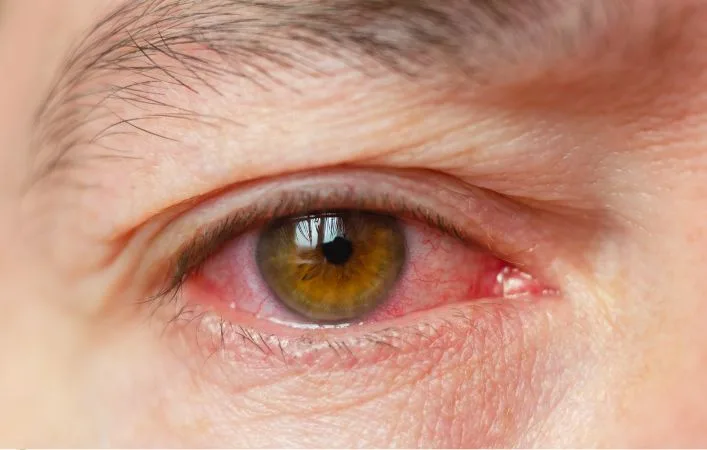
The redness in the eyes linked to Delta 9 THC use stems from a biological process called vasodilation. When Delta 9 enters the system, it interacts with the body’s endocannabinoid system, specifically targeting CB1 receptors in the brain. This interaction causes blood vessels, including those in the eyes, to expand. As these tiny vessels widen, increased blood flow makes the eyes appear red or bloodshot.
While vasodilation itself is not harmful, it has potential medical benefits. For some cannabis users, this effect helps reduce intraocular pressure, which is particularly useful for individuals with glaucoma. By lowering this pressure, Delta 9 THC has been explored as a treatment option for managing the condition.
If you’re looking to minimize or prevent red eyes, there are effective ways to manage it. Specialized eye drops formulated to reduce redness can help by narrowing the blood vessels in the eyes, counteracting the expansion caused by Delta 9 THC. Maintaining proper hydration and opting for lower doses may also reduce the likelihood of experiencing red eyes.
While some may find red eyes to be a cosmetic concern, it is generally not a cause for medical worry. However, if the redness lingers beyond the typical duration of Delta 9’s effects or is accompanied by irritation, it could signal an underlying issue that may require medical evaluation.
Factors That Influence Red Eyes
The degree to which Delta 9 THC causes red eyes varies from person to person, with several key factors playing a role in this response.
- Dosage and Potency Stronger concentrations and higher doses of Delta 9 THC are more likely to result in noticeable redness in the eyes. The intensity of this effect often correlates with the amount consumed.
- Individual Sensitivity Biological differences influence how people react to cannabis. Some individuals are naturally more susceptible to red eyes due to genetic predisposition or unique physiological responses.
- Method of Consumption The way Delta 9 THC enters the body can determine the likelihood and severity of red eyes. Inhalation methods such as smoking or vaping tend to produce a quicker and more pronounced effect, whereas edibles and tinctures lead to a delayed and potentially milder response.
- Hydration Levels Dehydration can intensify the appearance of red eyes. Maintaining proper hydration may help reduce the severity of this effect, making it a simple but effective precautionary measure.
The Broader Context
Red eyes are just one of many effects associated with Delta 9 THC. For recreational users, this response is often considered a minor and temporary inconvenience. For medical users, it may indicate the compound’s active effects, such as reducing intraocular pressure in glaucoma patients.
By understanding why Delta 9 causes red eyes, users can make informed choices and approach its effects with greater awareness. Whether for medical or recreational purposes, recognizing how Delta 9 interacts with the body allows for a more tailored and positive experience.
In the end, while red eyes are a common reaction due to Delta 9 THC’s vasodilatory properties, the effect is generally harmless and manageable. With the right knowledge and small adjustments, users can continue to enjoy the benefits of Delta 9 without concern over this temporary side effect