Delta 9 To THC Conversion
The way Delta 9 THC changes into other cannabinoids is becoming a fascinating area of study for cannabis enthusiasts, researchers, and manufacturers. With scientific advancements, understanding these transformations—whether occurring naturally or through controlled lab conditions—can shed light on product potency, effects, and potential benefits.
How Delta 9 THC Evolves
As the main psychoactive compound in cannabis, Delta 9 THC is susceptible to transformation based on environmental conditions and chemical interactions. This shift can happen naturally through oxidation, heat, or light exposure, or it can be guided by lab processes. Over time, exposure to air causes Delta 9 THC to degrade into CBN (cannabinol), a compound recognized for its sedative qualities. However, in controlled environments, Delta 9 THC can be modified into various THC analogs, including Delta 8 THC, THC-O, or THC-P, each offering distinct effects and potency levels.
Delta 9 to Delta 8 THC Transformation
A widely recognized transformation in cannabinoid chemistry is the conversion of Delta 9 THC into Delta 8 THC. While these compounds have nearly identical molecular structures, Delta 8 THC features a slightly modified and more stable arrangement, leading to a smoother, less intense psychoactive effect.
This conversion process relies on an acid-catalyzed reaction, where specific solvents and catalysts facilitate the isomerization of the Delta 9 molecule. The result is a compound with enhanced stability and a longer shelf life while preserving its psychoactive properties. As a result, Delta 8 THC has gained popularity in regulated markets as a legal and appealing alternative.
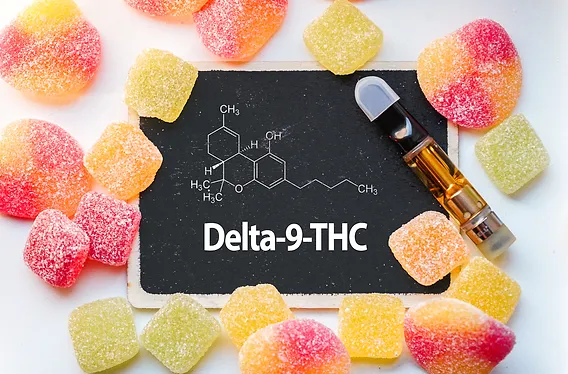
From Delta 9 THC to THC-O and Beyond
THC-O (THC-O acetate) stands out as a synthetic cannabinoid renowned for its potency. Unlike Delta 9 THC, which binds directly to CB1 receptors, THC-O acts as a prodrug, requiring metabolic conversion before taking effect. This process involves adding an acetate group to the THC molecule, increasing its bioavailability and enhancing its psychoactive impact. Another powerful derivative, THC-P (tetrahydrocannabiphorol), can be synthesized from Delta 9 THC. Due to its heightened receptor-binding affinity, THC-P delivers a more intense and prolonged experience compared to its natural counterpart.
Industry and Legal Considerations
The transformation of Delta 9 THC into alternative cannabinoids plays a pivotal role in the cannabis and hemp industries, particularly in areas where Delta 9 THC faces strict regulations. Many of these derivatives, including Delta 8 THC and THC-O, originate from hemp-derived CBD, placing them in a legal gray zone. By leveraging these conversion methods, manufacturers create products that comply with federal and state laws while still delivering psychoactive effects.
Future Perspectives
As the cannabis landscape evolves, understanding these conversions becomes essential for consumers, producers, and regulators alike. Whether naturally occurring or lab-engineered, these transformations expand the diversity of THC-based products, offering varied effects and benefits. Ongoing research into cannabinoid conversions will continue shaping the future of product development and scientific advancements in the industry.