What Is A High Level Of Delta-9 THC In Blood
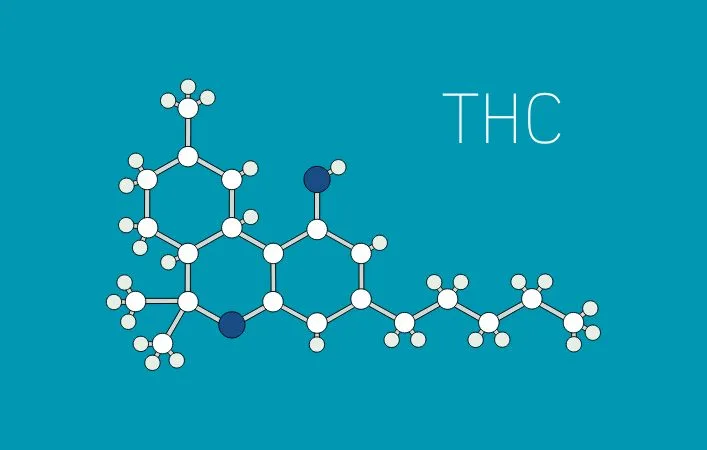
Delta-9 tetrahydrocannabinol, commonly known as Delta-9 THC, is the main psychoactive compound in cannabis. When consumed through methods such as smoking, vaping, or edibles, Delta-9 THC enters the bloodstream and can be detected using various drug testing methods. High levels of Delta-9 THC in the blood often suggest recent or significant cannabis use, which may affect cognitive and motor skills. Understanding what constitutes a high level of Delta-9 THC is crucial for both medical professionals and individuals undergoing drug testing, particularly in legal, workplace, or clinical settings.
Understanding THC Blood Levels
Delta-9 THC levels in the bloodstream are measured in nanograms per milliliter (ng/mL). The exact threshold for what is considered a “high” level can vary depending on the context, such as legal standards, medical assessments, or evaluations of impairment. Generally, levels exceeding 5 ng/mL are often regarded as elevated in places that use blood tests to determine driving impairment. However, this threshold is not universally agreed upon, and different states or countries may set varying limits, or even adopt zero-tolerance policies, depending on the purpose of the test.
Factors Influencing Blood THC Levels
The concentration of Delta-9 THC in the blood is influenced by a variety of factors. These factors include how the THC is consumed, the amount taken, the individual’s metabolic rate, their usage habits, and their body composition. For instance, inhalation methods tend to cause a quick rise in THC levels, reaching their peak within minutes, whereas edibles lead to a slower onset but may provide a more prolonged effect. Additionally, individuals who use THC frequently may retain traces of it in their system for longer periods, even in the absence of any immediate effects. This variability complicates the interpretation of blood THC levels, especially when trying to differentiate between recent use and ongoing exposure.
Legal and Medical Implications of High THC Levels
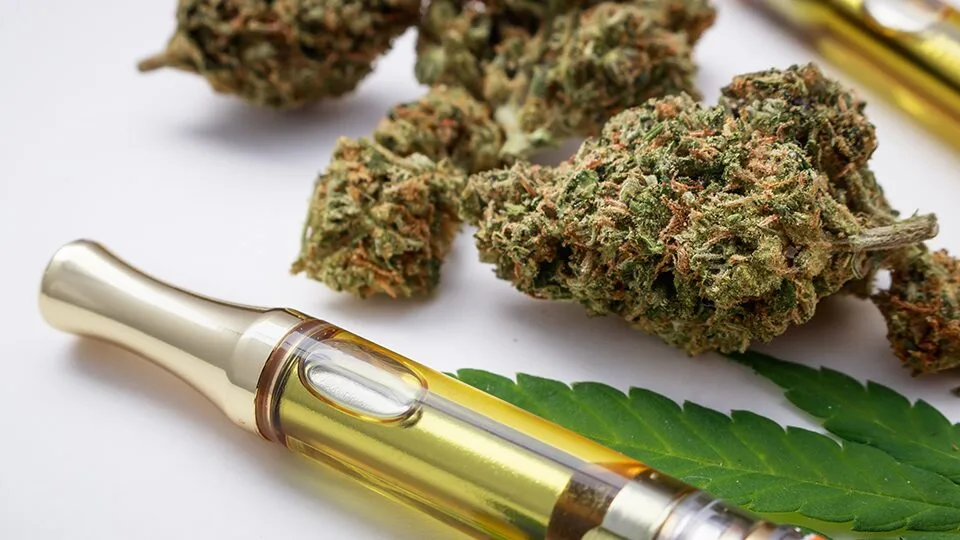
A high concentration of Delta-9 THC in the bloodstream can lead to serious legal consequences, particularly in places where cannabis use is either restricted or heavily monitored, and driving under the influence is prohibited. In some jurisdictions, even trace amounts of THC can result in penalties, while others may require proof of impairment linked to a specific THC level. Medically, high THC levels are important in emergency situations, especially when assessing altered mental states, or when dealing with conditions like cannabis hyperemesis syndrome.
Conclusion
The definition of a high THC level in the blood is often context-dependent, but levels exceeding 5 ng/mL are frequently considered a threshold for impairment in many legal frameworks. As cannabis use grows in popularity for both recreational and medicinal reasons, understanding the behavior of THC in the body becomes increasingly important for ensuring responsible use, accurate testing, and sound decision-making in both healthcare and law enforcement.