Delta 9 And Breastfeeding
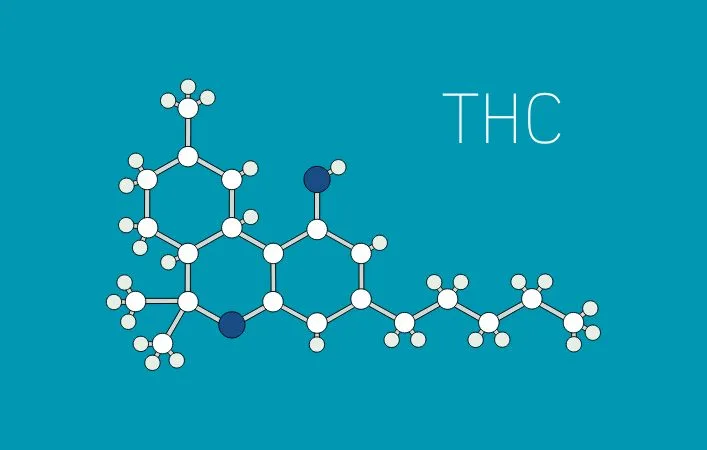
In recent years, the discussion about cannabis use has evolved significantly, shifting from a once-taboo subject to a mainstream topic with increasing legalization around the globe. Among the various compounds in cannabis, delta-9-tetrahydrocannabinol (Delta 9 THC) is prominent as the main psychoactive ingredient responsible for the “high” associated with marijuana. As societal acceptance of cannabis grows, so does the interest and concern regarding its use, particularly for specific groups like breastfeeding mothers. The issue of Delta 9 THC and breastfeeding necessitates a thoughtful examination of both scientific research and personal experiences.
Delta 9 THC interacts with the endocannabinoid system in the human body, affecting various physiological processes such as mood, appetite, and pain perception. For breastfeeding mothers, there is concern about the potential transfer of Delta 9 THC to their infants through breast milk. Considering the critical stage of development that infants undergo, any exposure to psychoactive substances raises important questions about safety and long-term effects.
The research on Delta 9 THC and breastfeeding is still limited but expanding. Studies indicate that Delta 9 THC can transfer into breast milk, which may expose the nursing infant to the compound. The concentration of THC in breast milk can fluctuate depending on factors such as how often and how much cannabis is consumed, the method of consumption (e.g., smoking, vaping, edibles), and the mother’s metabolism. Although some research suggests that THC levels in breast milk are relatively low, even minor amounts of psychoactive substances can significantly impact a developing infant.
One of the main concerns about using Delta 9 THC while breastfeeding is its potential impact on infant brain development. The endocannabinoid system, which plays a key role in brain growth, could be disrupted by external cannabinoids like Delta 9 THC, potentially affecting normal developmental processes. Animal research has shown that early THC exposure can influence cognitive abilities, motor skills, and behavior. While human studies are more difficult to conduct, these animal findings suggest a cautious approach.

There are concerns about potential changes in sleep patterns and feeding behaviors in infants exposed to Delta 9 THC. Some mothers have noticed alterations in their baby’s sleep and feeding routines, which might be linked to THC’s psychoactive effects. These disruptions could impact the overall health and well-being of the infant, making it crucial to carefully consider cannabis use during breastfeeding.
Despite these risks, some mothers might use cannabis for its perceived benefits, such as alleviating stress, managing pain, or addressing postpartum depression. It’s important to recognize the challenges of postpartum life and the need for effective coping strategies. Nonetheless, it is essential to balance these potential benefits with the risks to the nursing infant. Consulting healthcare providers who are knowledgeable about both lactation and cannabis use can offer valuable advice for mothers making this decision.
The legal status of cannabis adds another layer of complexity to the issue. In areas where cannabis is legal, there may be more resources and open discussions available for mothers. Conversely, in regions where cannabis remains illegal, mothers might hesitate to seek guidance or disclose their use due to concerns about legal consequences or social stigma. This highlights the need for supportive and non-judgmental healthcare for breastfeeding mothers who use cannabis.
The relationship between Delta 9 THC and breastfeeding is intricate and not fully understood. While there are indications of potential risks to the infant, the complete effects are still being researched. Mothers considering or currently using cannabis should engage in open and informed conversations with their healthcare providers to make the best choices for their own health and their baby’s well-being. Staying updated with ongoing research is crucial for making informed decisions.