
What Does THC Do To The Brain
THC, or tetrahydrocannabinol, is the main psychoactive substance in cannabis, responsible for the “high” experienced during marijuana use. Understanding how THC affects the brain helps explain its short-term and long-term impacts. When consumed, THC interacts with the body’s endocannabinoid system (ECS), which regulates functions like mood, memory, pain, and appetite. This interaction is key to the mind-altering effects that users feel.
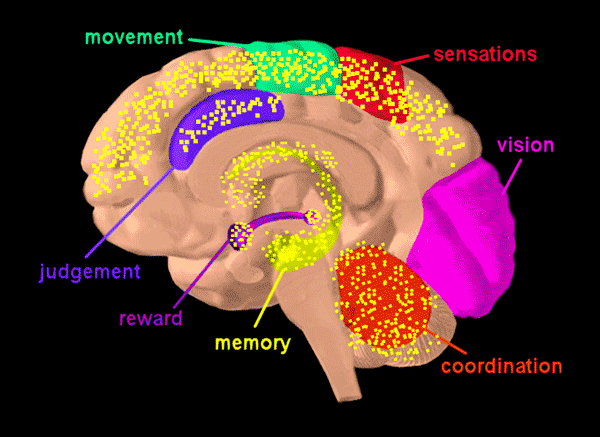
The brain naturally produces compounds called endocannabinoids, which connect to receptors within the ECS, particularly the CB1 and CB2 receptors. THC imitates these endocannabinoids by primarily binding to CB1 receptors, which are located in parts of the brain involved in memory, coordination, and pleasure. This connection is what triggers THC’s psychoactive effects. When THC engages with CB1 receptors, it alters how the brain processes information, resulting in changes to sensory perception, mood, and the perception of time. This explains the feelings of euphoria, relaxation, or introspection that often follow THC consumption.
THC has a significant impact on the brain, particularly affecting memory and cognitive function. It can disrupt the hippocampus, the part of the brain involved in creating new memories, which is why short-term memory issues are a common result of marijuana use. While these memory disruptions are often temporary, long-term or heavy users may experience more lasting changes in their cognitive abilities.
In addition to memory, THC affects the brain’s reward system by triggering the release of dopamine, a neurotransmitter linked to pleasure and satisfaction. This release leads to the feelings of happiness and relaxation that people often experience when using cannabis. However, this dopamine surge can also increase the likelihood of dependence, as the brain begins to associate THC with a rewarding experience.
THC’s effects on the brain extend beyond the immediate high and can vary greatly between individuals. How the brain responds depends on factors like the type of cannabis, the amount used, and how often it’s consumed. For some, THC can provide relief from anxiety and stress, while for others, it may heighten feelings of paranoia or anxiety, particularly with larger doses. This is likely because THC influences parts of the brain involved in emotional regulation, such as the amygdala.
With regular use, THC can cause changes in brain structure and function. Research suggests that chronic cannabis users may experience alterations in areas responsible for learning, memory, and decision-making. While the brain has the ability to recover, especially after a period of abstinence, some studies indicate that long-term, heavy use could lead to lasting cognitive issues.
THC also affects motor skills and slows reaction times. This makes activities like driving or handling machinery especially risky while under its influence, as the compound disrupts communication between brain cells, delaying responses and impairing coordination.
Interestingly, there is evidence that THC may have neuroprotective qualities when used in controlled, moderate amounts. Some research points to its potential in treating neurological conditions like multiple sclerosis or epilepsy by influencing neural pathways and reducing inflammation, which may protect brain cells from damage.
Overall, THC has a significant impact on the brain, influencing mood, memory, motor skills, and cognition. While its effects are mostly temporary, excessive or prolonged use can result in more substantial changes in brain function. Understanding THC’s effects on the brain is key to making informed decisions about cannabis use and its potential risks and benefits.